The Beginning
This project all began when Elizabeth and I went looking at RV's in 2021 and 2022. They were outrageously expensive, and even new ones on the lot had very clear defects such as shower pan and wall delamination and overall flimsy construction and poor workmanship. The quality RV's were even more ridiculously expensive and we didn't want to shell out that kind of money for something, or take a chance on a lower-priced (but still expensive) mainstream brand and be chasing maintenance every year.
I looked at squaredrop-style campers for a while, designed one but it didn't have a bathroom. Initially this was fine but a year later when I was ready to start building, I was told a bathroom was a necessity. Back to the drawing board I went!
I prioritized a few things:
1. Go wherever I want, aka the camper is for the most part NOT the limiting factor in where we go to boondock.
2. Carry at least 60 gallons of fresh water
3. Have a bathroom
4. Ideally endurance for 5-7 days with showers every 2-3 days. Could stretch it further with rationing water or eventually have a water filtration system with an on-board pump to fill the tanks.
5. Air conditioning, for the dogs mostly but battery powered so we can run it without a generator for 10-12 hours on maximum and twice that on eco mode. This is twofold, if we don't want to listen to a generator we don't have to (temporarily), we can run the AC overnight without needing extra power. But also we can leave the dogs in the camper and run the AC if we want to go eat dinner or go do something we can't have the dogs with us.
6. Robust solar system to minimize generator use.
7. Prioritize durability and capability over weight.
8. Biggest bed we can fit. Dogs + 2 of us means a queen bed gets cramped quickly.
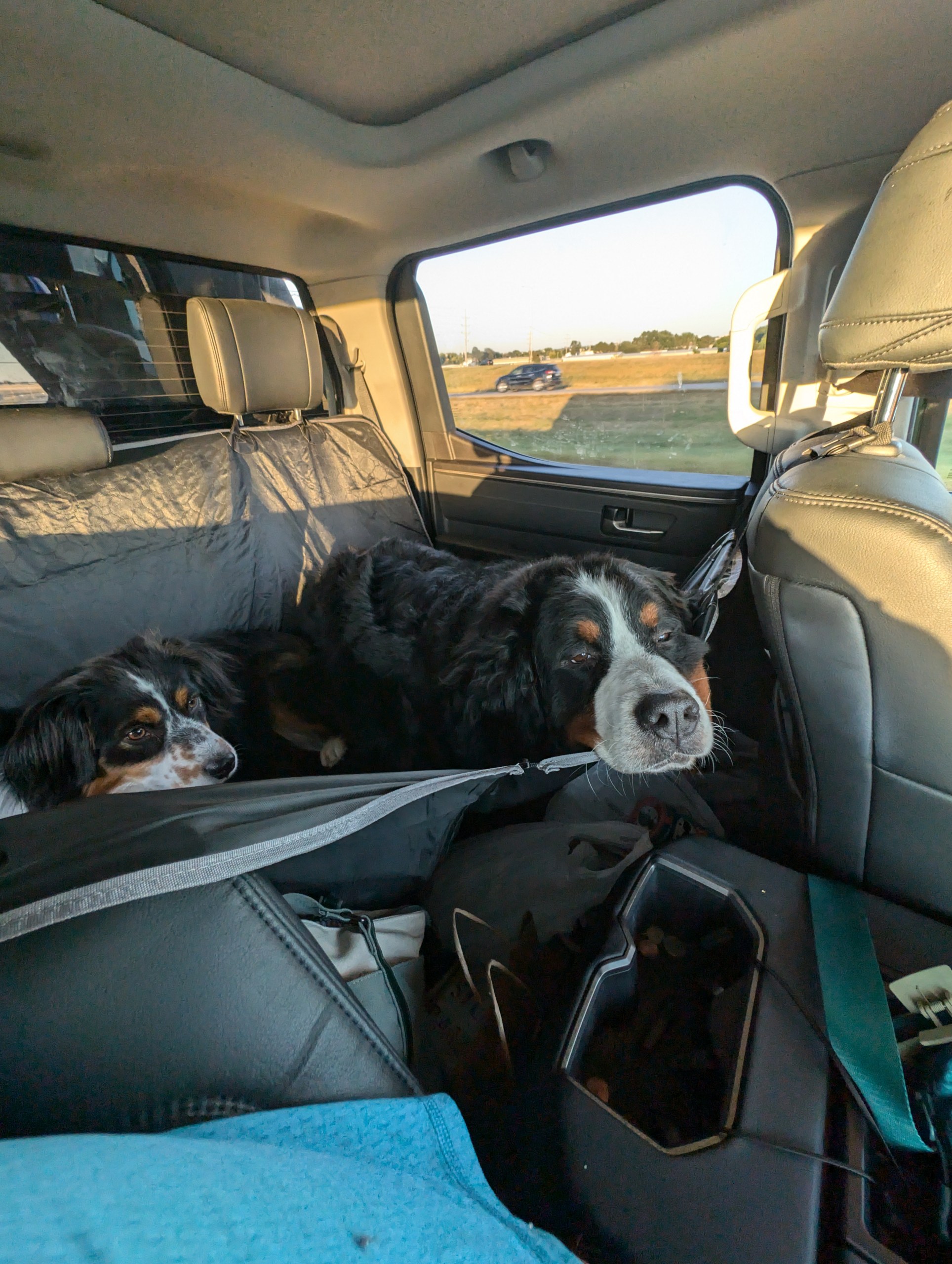
The dogs in question:
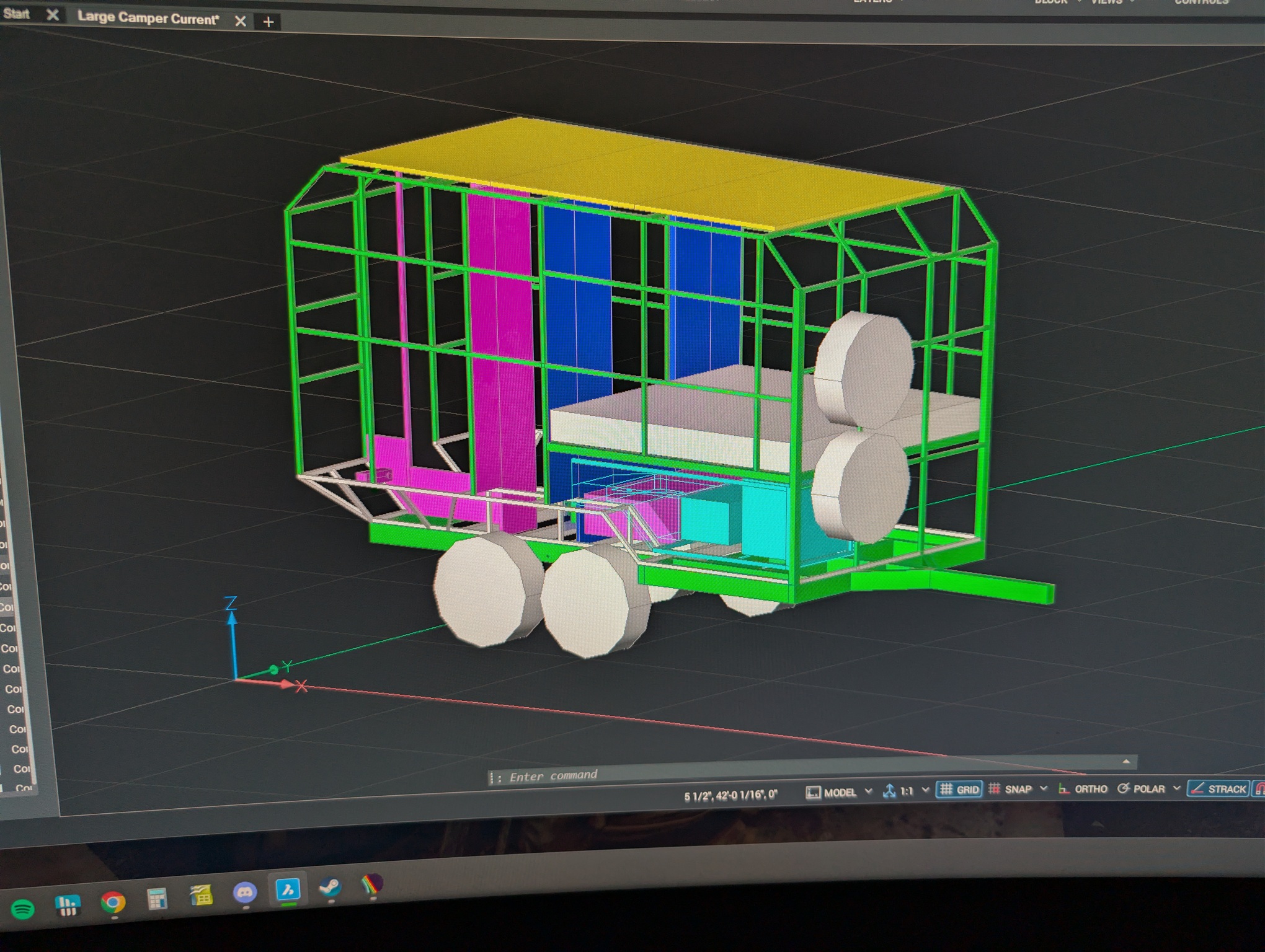
The design I drew up initially in Autocad Web which is a fairly affordable 2D CAD program, I learned to use it when I drew up plans for my deck for the building permit submission. I emulated 3D in 2D autocad Web by having a side view and top down view I'd add elements individually. Learning 3D design was fraught with frustration and I had tried 6 different programs and given up several times before this point.
Well after 6 months of deign, redesign, research and more redesign. I had a parts list with weights, cost, and sources to buy things. Mostly I did this so I would know how much the materials and parts would cost. And how much weight the frame would need to support.
Around November 2025 I finally announced I was ready to start buying metal and components my loving wife pushed me to consult an engineer. Truth be told I tried to learn the calculus to do the math to figure out how thick of metal my frame needed to be and how tall and I really didn't like re-learning calculus that I had learned back in high school. I then arbitrarily picked a size based on other trailers for the weight class. However my trailer is pretty unique and there wasn't anything I could verify to be reasonably sure my frame would hold up. Consulting an engineer was a step I'm glad I took. However finding someone who'd take a job this small and NOT charge an arm and a leg was tough. I found someone on the internet who ran a website that sold DIY trailer plans.
1 month of pulling what little hair I had left out by learning 3D design so I could send the engineer 3D plans and then another 2 months of slow/weekly emailing finally yielded me a frame recommendation. Thinner material and taller profile. I originally did 2x3x3/16" A500 and he had me go up to 2x5x1/8" he also provided a lot of education on trailer design philosophy which was very helpful. However I went with 2x5x3/16" for added strength and impact resistance.
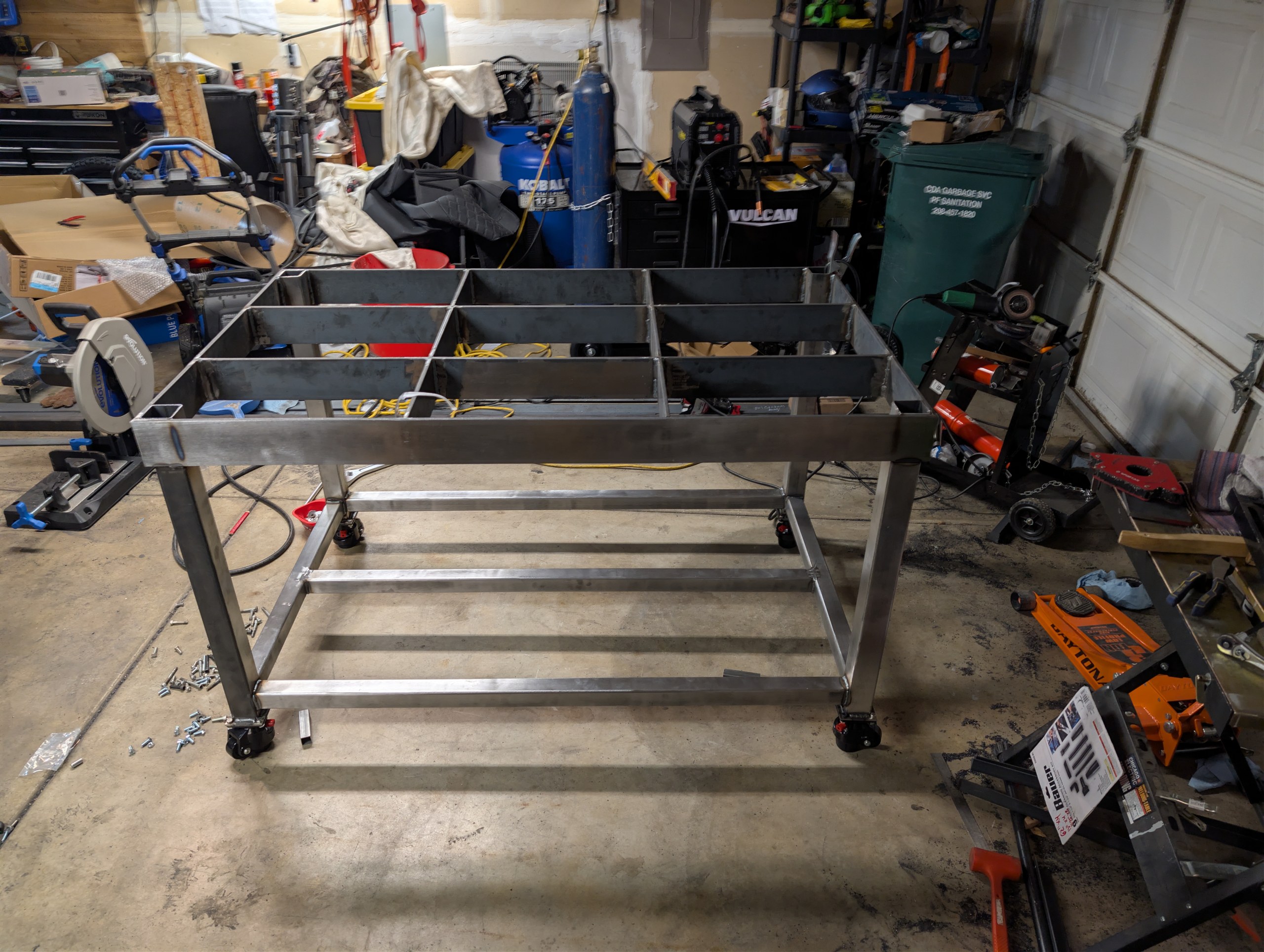
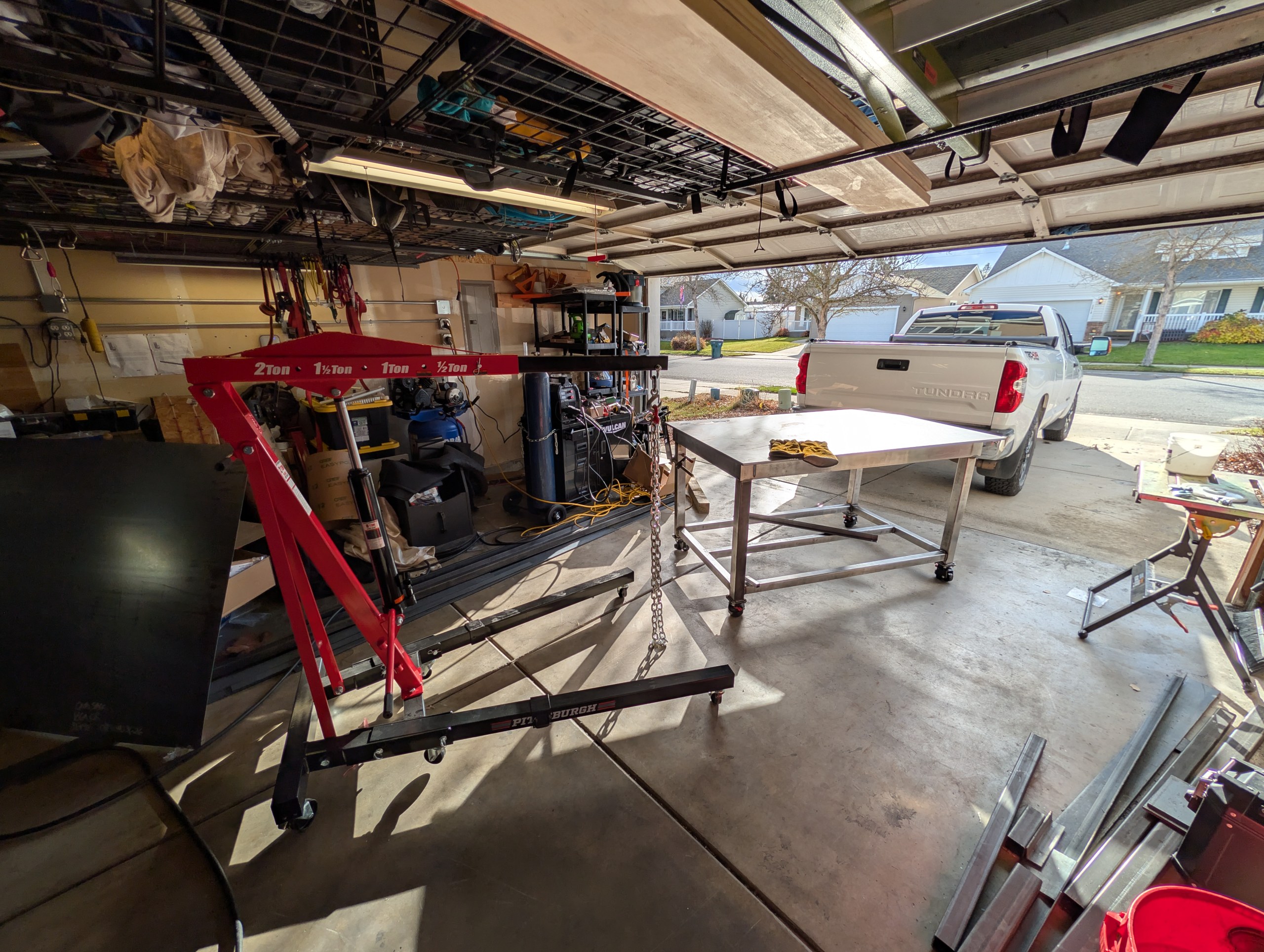
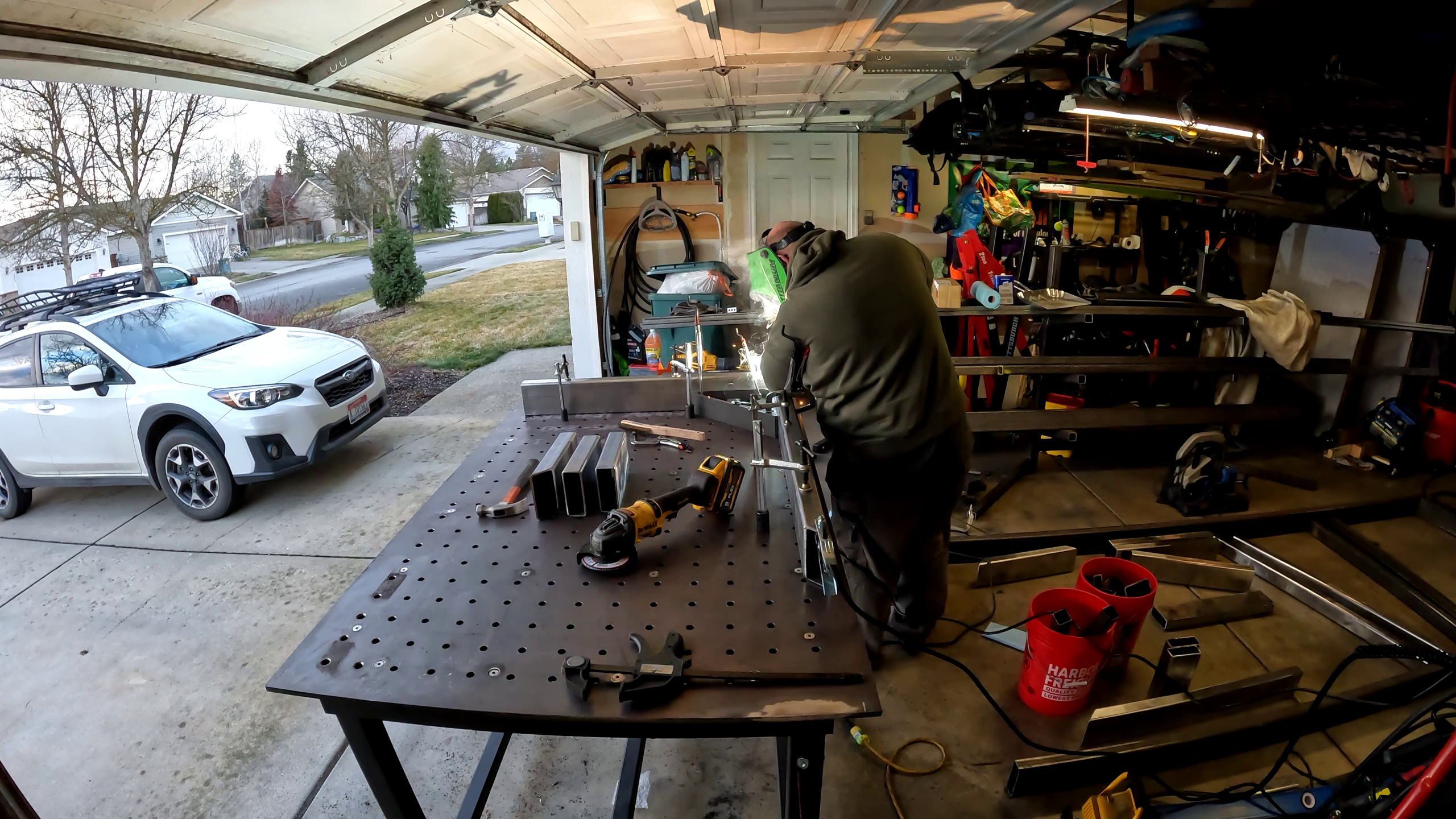
However all of the faffing about had put me behind. I wanted to originally get started in November 2025. Now it was the end of Feburary 2026. And while I had used the time to build a fabrication table (what'd a project be without the requisite pre-projects?) I was behind.